yuri-microgravity-simulators.jpg

Products

Microgravity Simulators

Our advanced systems recreate microgravity conditions on Earth, enabling scientists to run early-stage experiments and validate hypotheses before taking research to space. Discover how solutions like the Yuri RPM 2.0 make space-ready science possible - without leaving the ground.

Microgravity Simulators

RPM 2.0

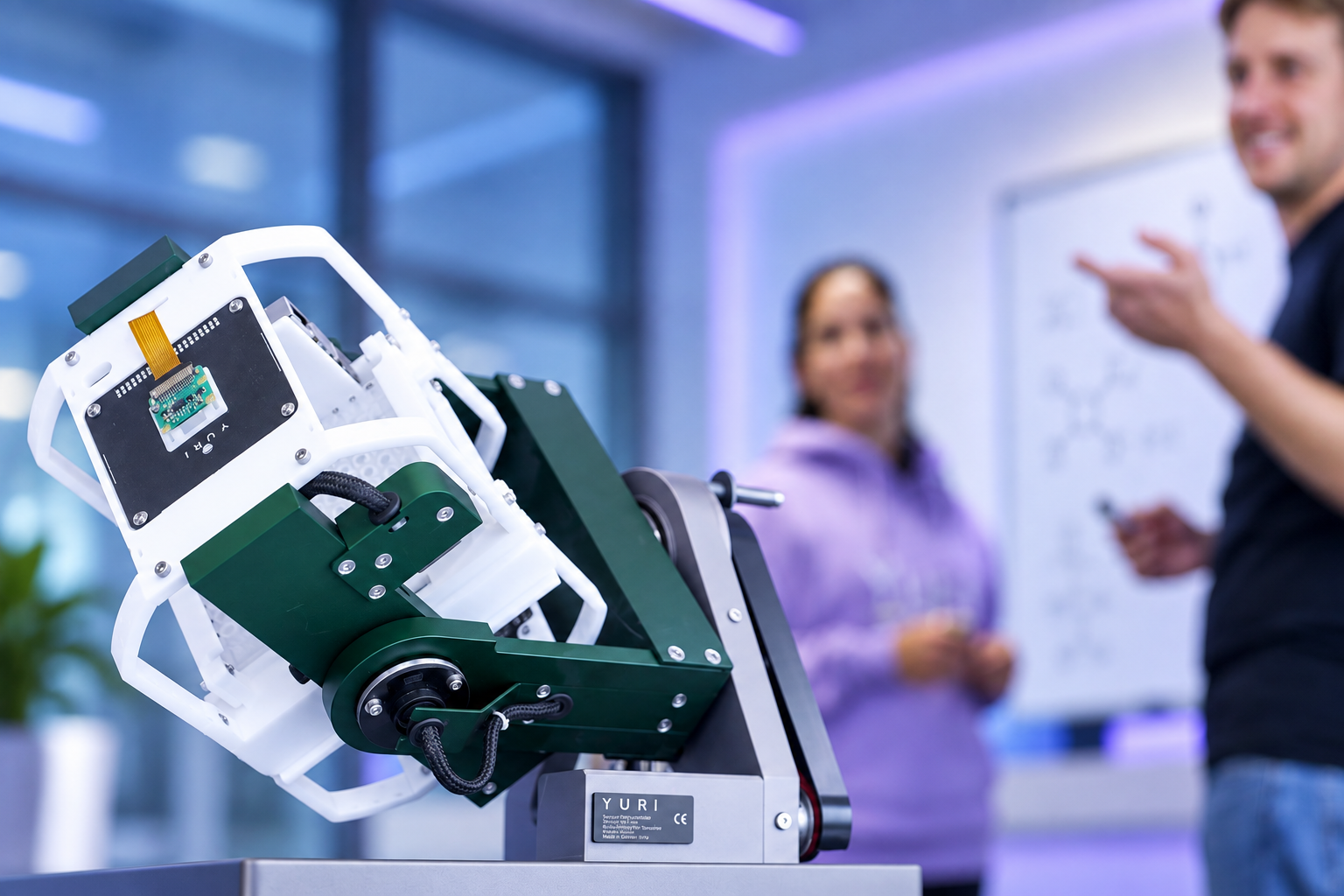
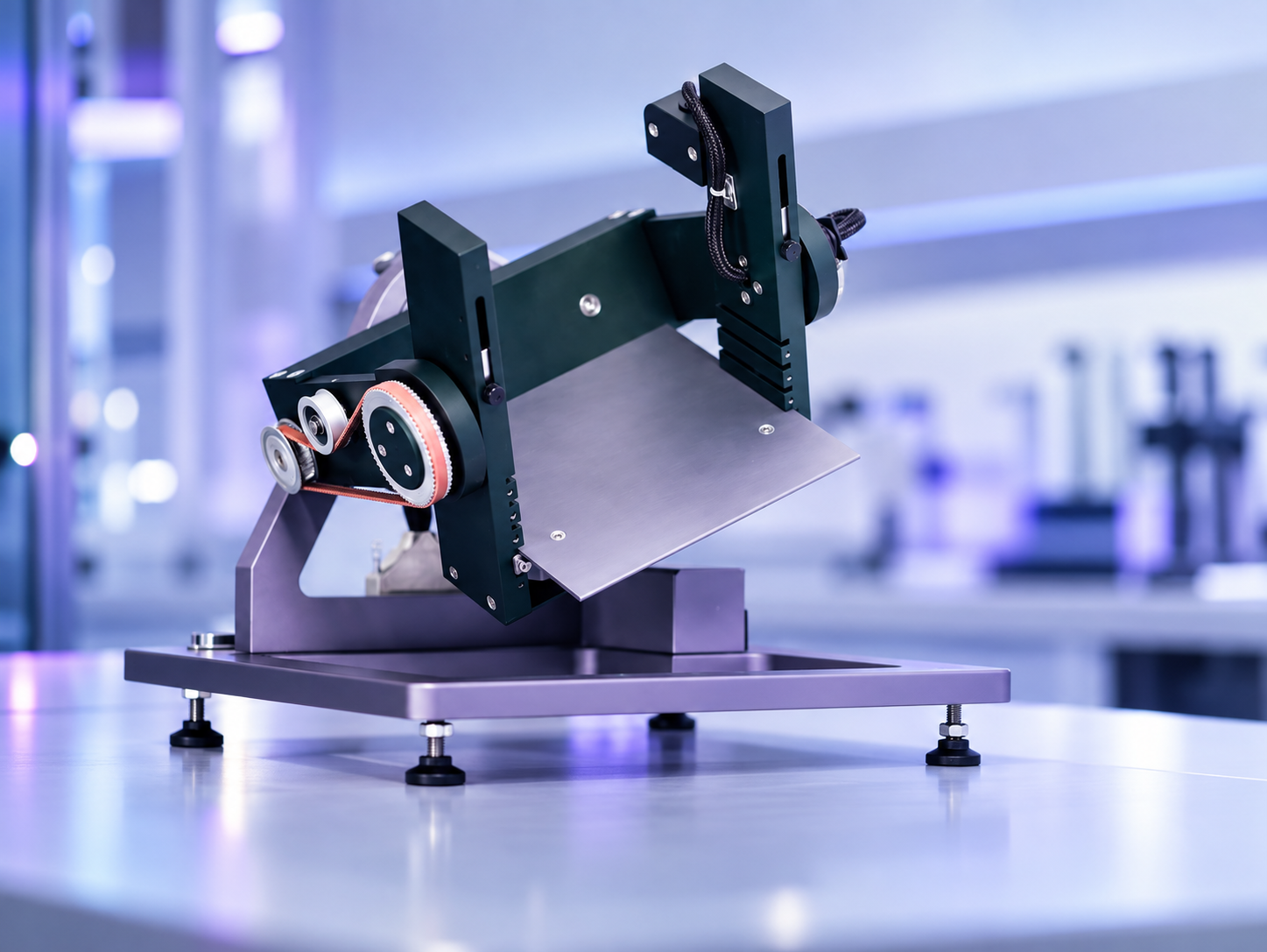
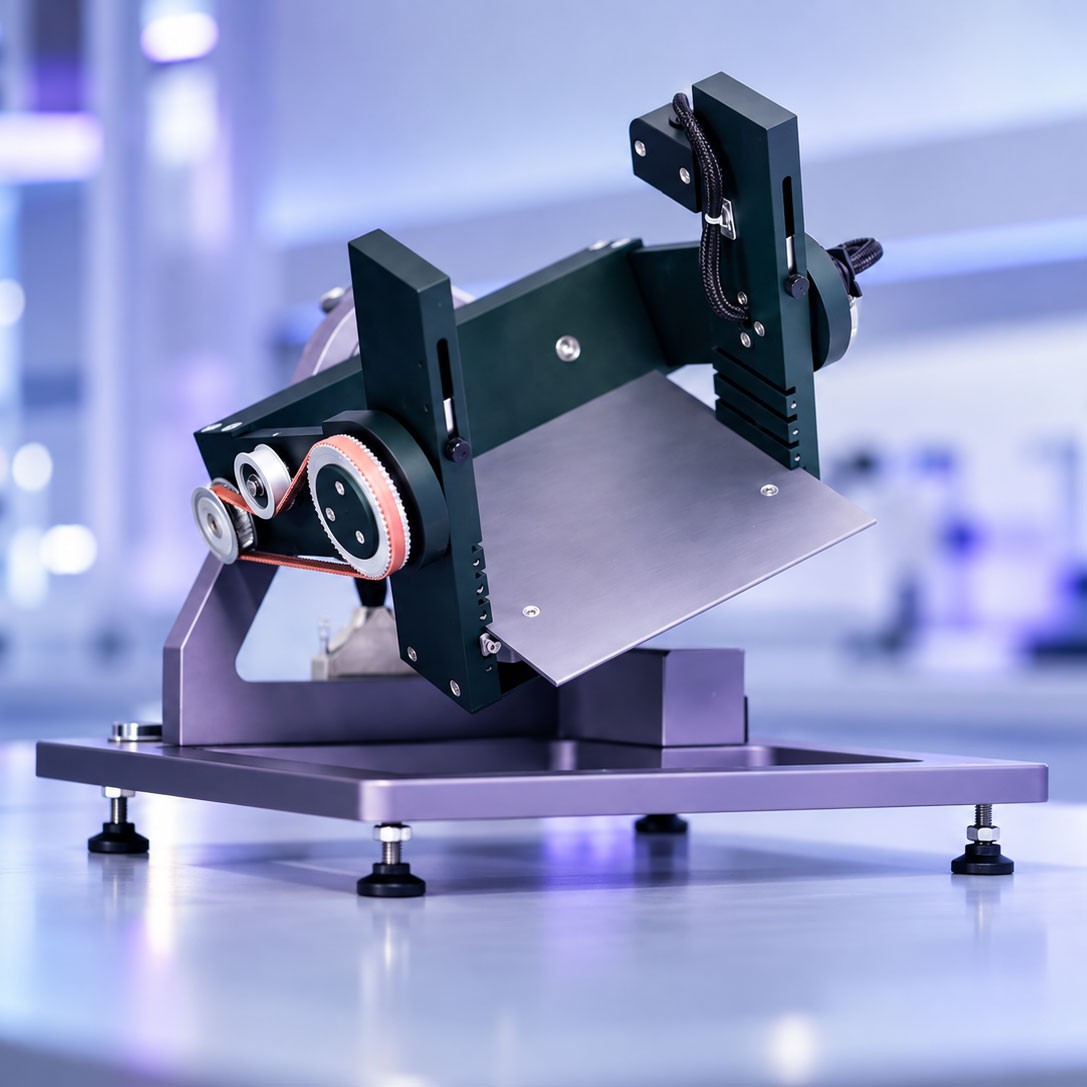
The RPM achieves simulated microgravity (s-μg) by providing a continuous random change in orientation of an accommodated experiment relative to the Earth gravity vector. When the changes in direction of the object on the RPM are faster than the object‘s response to gravity, this generates effects similar to the effects of real microgravity in space.

The RPM was developed >20 years ago by Airbus and has now found a new home at Yuri. It is a proven asset and valued by more than 60 research groups around the globe, incl. NASA and ESA. It is used as a simulation platform for micro- and partial gravity experiments as well as for preparation and post-flight analysis of experiments on the International Space Station.

RPM

Key Facts

  • Works in multiple motion modes: clinostat, random, partial-g

  • Supports experiments up to 1.5 kg and < 15x15x15 cm³

  • Platform for mounting the experiment package is adjustable in height

  • Size: < 38x31x35 cm3, Weight: 7.5 kg

Download Factsheet
products_microgravity-simulators_rpm_1.jpg

Performance Data

Compact design supports experiments in incubators (control of temperature, CO2 and RH) and radiation facilities.

Supports experiment gravity levels between 10-3 g and 0.9 g (e.g. Moon or Mars gravity).

Key Features

PC and software are included to operate the RPM and to monitor its parameters, such as average g-level.

Unique and proven path algorithms with protection against pole bias.

Integrated power and communication interfaces.

Explore how our microgravity simulators enable cutting-edge experiments on Earth, laying the groundwork for discoveries!

products_microgravity-simululators_rpm_2.jpg

Research Applications

CELLULAR BIOLOGY

To this date, changes in the expression of many genes were found in multiple cell types when cells grown in normal gravity were compared with cells grown in s-μg on the RPM.

These changes were found at transcriptional level (e.g. qRTPCR) as well as at post transcriptional level (e.g. proteomics, cellular markers…).

CANCER RESEARCH

Many of these genes play important roles in cancer-relevant cellular processes such as cell cycle, proliferation, apoptosis, cellular morphology (cytoskeleton), adhesion (extracellular matrix), migration.
For this reason, the behavior of many tumorous cell lines are investigated in s-μg on the RPM.

TISSUE ENGINNERING

The changes in cellular morphology and behavior arising from μg lead to cells growing differently in these conditions. Instead of growing two dimensional and adhering on the culture support, some can form threedimensional structures called spheroids. This behavior is of great interest in growing tissue-like structures from (stem) cells, e.g. for regenerative medicine.

MICROBIOLOGY

Besides mammalian cells, unicellular organisms are investigated in the context of gravitational biology. Research was conducted on both pro- and eukaryotes. Pathogens such as Pseudomonas aeruginosa were investigated as threatening to the health of humans in space. Other microorganisms, e.g. Rhodospirillum rubrum are part of programs aimed to design systems capable of recycling waste produced in space into compounds such as water or oxygen. Finally, model organisms such as Paramecium are investigated in a more fundamental view.

PLANT BIOLOGY

The Earth‘s gravity plays an important role in plant development and cellular processes. Thus, plants belong to the first organisms investigated in altered gravity with experiments going back to the 19th century. E. g., plants grown in s-μg on RPMs show changes in cell cycle, cell wall and gene expression. This research is of great interest to study overall plant physiology and cellular processes but can also be applied to investigate cultivating plants without gravity to develop bioregenerative life support systems.

OTHER ORGANISMS

The RPM is very flexible and can be adapted to specific needs of different organisms and models in terms of experimental setup. Examples hereof include the study of regeneration in μg on Platyhelminthes, the investigation of cellular and physiological processes in Xenopus, the analysis of changes occurring in Drosophila upon gravity deprivation and the observation of Zebrafish development on an RPM.

Microgravity Simulator

Clinostat

Your entry ticket to the microgravity world.
An easy-to-use device for 24/7 microgravity research in your lab.

Clinostat

Capabilities

  • Base Module with up to 2 expansion modules (max. 45 samples)

  • Microgravity, Moon gravity (0,17g) and Mars gravity (0,38g) possible

  • Wide range of compatible sample sizes (1-15ml)

  • Designed to use inside incubators and lab conditions, easy to clean

  • Control unit outside incubator for permanent surveillance and control

  • Automated calculation of optimal rotational velocity

  • Temperature sensor in Base Module for additional redundancy

Download Factsheet
clinostat.png